
Common Signs Your Property Needs Roof Repairs in Manchester
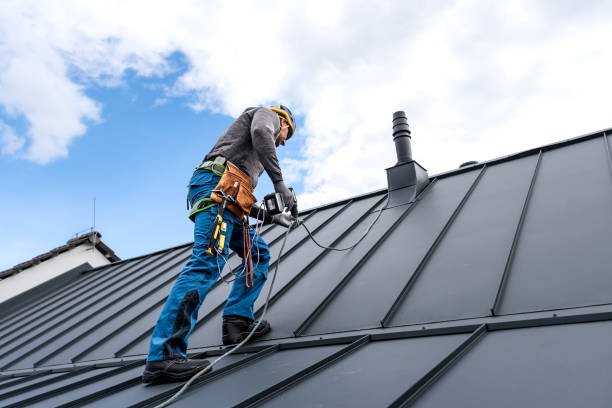
Your roof plays a critical role in protecting your property from the elements. However, roofing problems often develop gradually and can remain unnoticed until significant damage has already occurred. For property owners in Manchester, frequent rainfall, strong winds, and changing weather conditions can place additional strain on roofing materials throughout the year.
If you notice any signs of deterioration, acting early can help prevent expensive repairs and protect the long-term condition of your property. If urgent issues arise, arranging an emergency roof repair Manchester service can help prevent further damage and restore the integrity of your roof before problems worsen.
Why Trust Swift Fix UK for Roof Repairs in Manchester?
Property owners throughout Manchester rely on experienced roofing professionals who understand local weather conditions and common roofing challenges. Swift Fix UK provides professional roofing support, detailed inspections, and practical repair solutions designed to keep roofs safe, secure, and weather resistant throughout the year.
Why Identifying Roof Problems Early Matters
Roofing issues rarely improve on their own. Small defects can quickly develop into larger structural concerns when left untreated.
How Minor Roofing Issues Become Major Repairs
A small crack in a tile, loose flashing, or minor leak may seem insignificant initially. However, continuous exposure to rainwater can allow moisture to penetrate beneath the roof covering. Over time, this can damage insulation, timber supports, and interior finishes.
Regular inspections help identify these issues before repair costs escalate.
The Impact of Delayed Roof Maintenance on Property Value
A poorly maintained roof can affect both the appearance and value of a property. Visible roofing defects may raise concerns for prospective buyers and can indicate wider maintenance issues. Keeping your roof in good condition helps preserve the overall value and appeal of your property.
Water Leaks and Damp Patches Inside the Property
Internal signs of moisture are often among the first indicators of roof damage.
Signs of Roof-Related Water Ingress
Common warning signs include:
-
Damp patches on ceilings
-
Water stains on walls
-
Peeling paint or wallpaper
-
Mould growth in upper rooms
-
Persistent musty odours
These symptoms can suggest water is entering through damaged roofing materials or failed roof components.
What Persistent Damp Can Mean for Your Roof Structure
Ongoing moisture exposure can weaken timber structures and insulation materials. If damp problems continue to appear despite interior maintenance, the roof should be professionally inspected to identify the source of water ingress.
Missing, Cracked, or Slipped Roof Tiles
Roof tiles form the primary protective barrier against rain and wind.
How Manchester Weather Affects Roofing Materials
Manchester experiences significant rainfall throughout the year, combined with periods of strong winds and fluctuating temperatures. These conditions can gradually weaken roofing materials, causing tiles to crack, loosen, or shift from their original position.
Properties exposed to repeated weather cycles may require more frequent inspections to identify developing problems.
Risks of Leaving Damaged Tiles Unrepaired
Damaged tiles create vulnerable points where water can penetrate the roof structure. This may lead to:
-
Internal leaks
-
Damp and mould growth
-
Timber deterioration
-
Reduced insulation performance
-
Increased repair costs
Addressing tile damage early helps maintain the roof’s protective function.
Sagging Roof Sections and Structural Concerns
A sagging roof should never be ignored because it often indicates underlying structural issues.
Common Causes of Roof Sagging
Several factors may contribute to roof sagging, including:
-
Long-term water damage
-
Ageing roof structures
-
Excessive roof loading
-
Deteriorated timber supports
-
Poor historical repairs
Professional assessment is essential to determine the extent of structural damage.
When a Sagging Roof Requires Immediate Professional Attention
Any visible dip, bowing section, or uneven roofline should be inspected immediately. Structural instability can worsen over time and may compromise the overall safety of the property.
Moss, Algae, and Debris Build-Up on the Roof
Organic growth can have a significant impact on roofing materials.
How Organic Growth Can Damage Roofing Materials
Moss retains moisture against roofing surfaces for prolonged periods. This can accelerate wear, encourage tile deterioration, and increase the risk of water penetration beneath the roof covering.
Accumulated debris may also prevent effective drainage.
Warning Signs Property Owners Should Not Ignore
Look for:
-
Thick moss coverage
-
Green algae streaks
-
Debris collecting in roof valleys
-
Vegetation growth near roof joints
Routine maintenance helps minimise these risks.
Damaged Flashing Around Chimneys, Skylights, and Roof Junctions
Flashing protects vulnerable areas where different roof components meet.
Why Flashing Is Critical for Waterproof Protection
Properly installed flashing directs water away from joints and openings. Without effective flashing, rainwater can easily enter the roof structure and cause hidden damage.
Signs That Flashing May Be Failing
Indicators of flashing failure include:
-
Visible gaps around roof junctions
-
Rusted flashing materials
-
Loose sections around chimneys
-
Recurring leaks during rainfall
Professional repairs help restore weatherproof protection.
If you are looking for experienced roofing specialists, SWIFT FIX UK provides professional inspections and repair services designed to identify roofing issues before they develop into costly structural problems.
Blocked or Damaged Gutters and Downpipes
Roof drainage systems play an important role in protecting both the roof and the building structure.
The Connection Between Drainage Issues and Roof Damage
Blocked gutters can cause water to overflow onto roofing materials, fascia boards, and walls. Over time, excessive moisture exposure may contribute to structural deterioration.
How Overflowing Gutters Can Affect Your Property
Potential consequences include:
-
Damp walls
-
Foundation moisture issues
-
Timber decay
-
Roof edge deterioration
-
Internal water penetration
Regular gutter maintenance helps support effective roof performance.
Higher Energy Bills and Reduced Insulation Performance
Roofing defects can affect energy efficiency throughout the property.
How Roof Damage Can Affect Energy Efficiency
Damaged roofing materials may allow heat to escape during colder months and reduce the effectiveness of insulation systems. This can force heating systems to work harder to maintain comfortable indoor temperatures.
Signs of Heat Loss Through the Roof
Common indicators include:
-
Rising energy bills
-
Cold upper-floor rooms
-
Drafts in loft spaces
-
Uneven indoor temperatures
Addressing roofing defects may improve overall energy efficiency.
Storm Damage and Severe Weather Warning Signs
Severe weather can cause immediate roofing problems that require prompt attention.
Roofing Issues Commonly Found After High Winds and Heavy Rain
Following storms, property owners should check for:
-
Missing tiles
-
Loose ridge tiles
-
Damaged flashing
-
Fallen debris
-
Water ingress
Early detection helps prevent further deterioration.
When to Contact an Emergency Roofer Manchester Residents Can Trust
If storm damage results in active leaks or exposed roofing structures, immediate repairs may be necessary. Professional contractors can assess damage, implement temporary protection, and carry out permanent repairs where required.
For urgent situations involving active water ingress, arranging an emergency roof leak repair service can help minimise further property damage and protect the roof structure until full repairs are completed.
Professional Roof Inspections: What Experienced Roofers Look For
Regular inspections provide valuable insight into roof condition.
Key Areas Assessed During a Roof Inspection
Professional roofers typically examine:
-
Roof coverings
-
Flashing systems
-
Gutters and drainage
-
Chimneys
-
Roof junctions
-
Structural supports
-
Ventilation systems
A comprehensive inspection helps identify both visible and hidden issues.
Benefits of Regular Roofing Maintenance and Inspections
Routine inspections can:
-
Extend roof lifespan
-
Reduce repair costs
-
Improve weather resistance
-
Maintain property value
-
Identify issues early
Preventative maintenance often proves more cost effective than major repairs.
Choosing Reliable Roofing Services in Manchester
Selecting the right roofing contractor is essential for achieving long-lasting results.
Qualifications, Experience, and Local Expertise to Look For
When comparing roofing contractors, consider:
-
Industry experience
-
Local knowledge
-
Professional workmanship
-
Positive customer feedback
-
Detailed inspections
-
Transparent recommendations
Roofers familiar with Manchester’s climate are better positioned to identify location-specific roofing challenges.
Why Working With Trusted Local Roofing Professionals Matters
Local roofing professionals understand how Manchester’s frequent rainfall, strong winds, and seasonal weather patterns affect roofing systems. Their experience enables them to recommend suitable repair solutions that provide lasting protection for residential and commercial properties.
Conclusion
Recognizing the early signs of roofing problems can help prevent costly repairs and protect the long-term condition of your property. Whether you notice leaks, damaged tiles, sagging roof sections, flashing issues, or storm-related damage, prompt professional attention can reduce the risk of further deterioration.
Regular inspections and preventative maintenance remain among the most effective ways to keep your roof performing at its best throughout the year.
Frequently Asked Questions
How often should a roof be inspected in Manchester?
Most properties benefit from a professional roof inspection at least once a year and after significant storms.
Can a small roof leak become a serious problem?
Yes. Even minor leaks can lead to structural damage, insulation issues, and mould growth if left untreated.
What causes roof tiles to become damaged?
Weather exposure, ageing materials, strong winds, and temperature fluctuations are common causes of tile damage.
Is moss on a roof always a concern?
Excessive moss growth can trap moisture and accelerate roofing material deterioration, making maintenance important.
When should I contact an emergency roofer?
You should contact an emergency roofer whenever your property experiences active leaks, storm damage, or any issue that leaves the roof exposed to further weather damage.